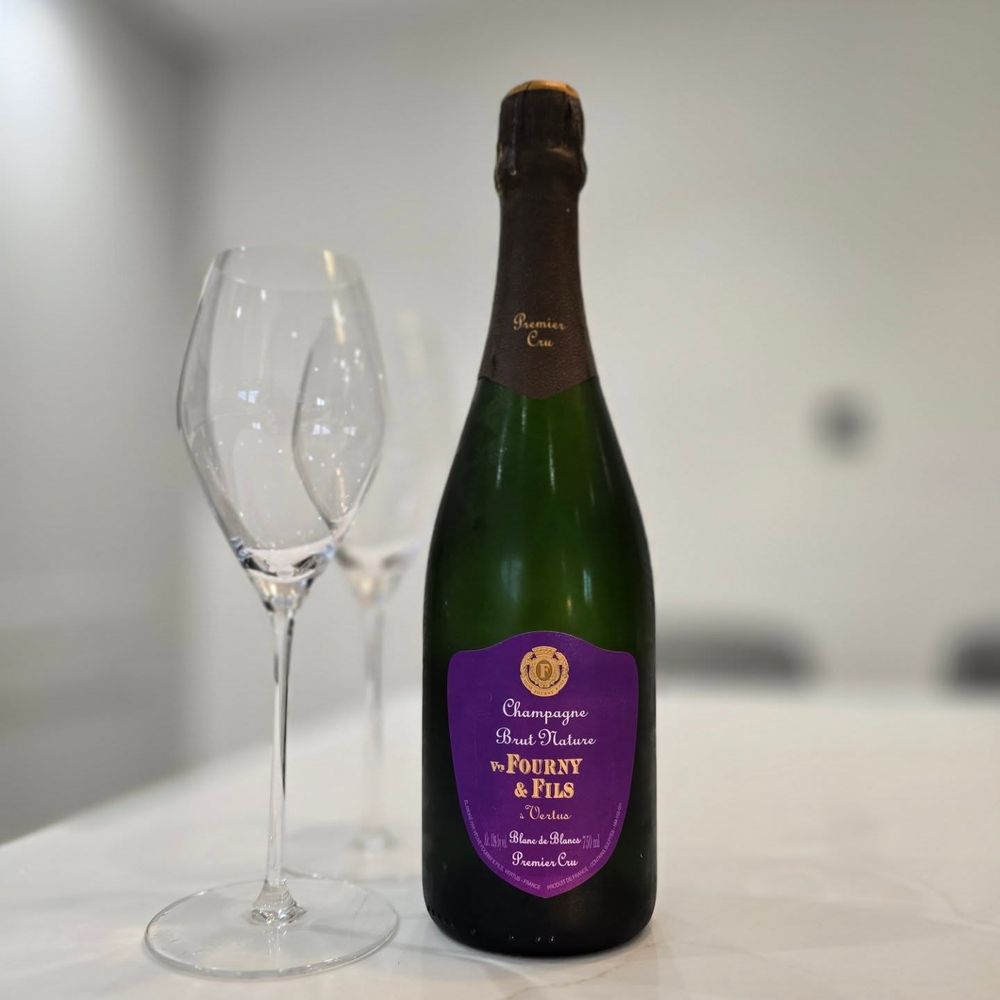
A sparkling wine label is a cheat sheet once you know the words. Here's the vocabulary, with the stuff that genuinely changes the taste first.
1. How sweet is it?
| On the label | Sugar per litre | What it means in the glass |
|---|---|---|
| Brut Nature / Pas Dosé / Dosage Zéro | Under 3 g, no added sugar | Bone dry. Very pure, very crisp. Best with salty or oily food. |
| Extra Brut | 0 to 6 g | Very dry. Fruit and acidity take centre stage. |
| Brut | Under 12 g | Dry. The most common style, and the safe bet. |
| Extra Dry | 12 to 17 g | Confusingly, a touch sweeter than Brut. Softer and rounder. |
| Sec | 17 to 32 g | Noticeably sweet. |
| Demi-Sec | 32 to 50 g | Sweet. Lovely with fruit desserts. |
| Doux | Over 50 g | Very sweet, and rare. |
Sugar bands from the Comité Champagne. English producers use the same terms.
2. Is there a year?
| Vintage / Millésime / a year | Made from one harvest only. Champagne vintage wines need at least three years in the cellar (Comité Champagne). |
|---|---|
| NV / Non-vintage / Brut Réserve | A blend of years. The house's signature style. |
| Edition, Cuvée number or Base year | Some producers number their NV releases or give the main year. Domaine Evremond calls its first release "Edition I". |
3. Which grapes?
| Blanc de Blancs | White grapes only, usually Chardonnay. |
|---|---|
| Blanc de Noirs | Black grapes only: Pinot Noir and/or Meunier. |
| Rosé | Pink, usually with a little red wine blended in. |
More in Grapes and blends.
4. Where is it from?
| Champagne AOC | Only wine from the Champagne region, made under its rules, can be called Champagne. |
|---|---|
| Grand Cru / Premier Cru | Champagne made only from grapes grown in villages with those classifications. See Grand Cru, Premier Cru and the English equivalent. |
| English Protected Designation of Origin (PDO) | 100% of the grapes from England, from the classic Pinot and Chardonnay family of grapes, with lab and tasting checks (UK government guidance). |
| English Regional (PGI) | At least 85% English grapes, and a wider choice of varieties including hybrids. |
| Sussex PDO | England's first regional quality scheme. Applications go through WineGB. |
| Traditional method / Méthode traditionnelle / Bottle fermented | The second fermentation happened in the bottle. See How sparkling wine is made. |
5. Who made it? Champagne's small print
Look for two small letters near the bottom of a Champagne label (Comité Champagne):
| Code | Meaning | What it tells you |
|---|---|---|
| NM | Négociant Manipulant | A house that buys at least some grapes. Most big names. |
| RM | Récoltant Manipulant | A grower making wine from their own grapes. "Grower Champagne". |
| CM | Coopérative de Manipulation | A cooperative making wine from members' grapes. |
| RC | Récoltant Coopérateur | A grower selling co-op-made wine under their own label. |
| ND | Négociant Distributeur | A merchant selling wine it didn't make. |
| MA | Marque d'Acheteur | A buyer's own brand, such as a supermarket label. Often great value. |
English labels don't use these codes. Ask the question in Who actually makes the wine? instead.
6. Other handy details
- Disgorged date: when the yeast came out. Useful for judging bottle age.
- Alcohol: usually 11.5% to 12.5%.
- Bottle size: see Bottle sizes.