Nearly every serious English sparkling and Champagne is built from three grapes. Once you know what each one does, a label's blend percentages start telling you what to expect.
The big three
Other grapes you might see
English PDO sparkling wine can also use Pinot Noir Précoce, Pinot Blanc and Pinot Gris, according to UK government guidance. The Althorne Estate grows Pinot Gris alongside the classic three. English Regional (PGI) sparkling can use a much wider list, including hybrids such as Seyval Blanc. Bacchus and Ortega, which Forty Hall grows, are mostly used for still wines.
Labels that tell you the grapes
| Term | Meaning | Expect |
|---|---|---|
| Blanc de Blancs | "White from whites". White grapes only, usually 100% Chardonnay. | Lean, citrus, chalky and elegant. Ages into toast and hazelnut. |
| Blanc de Noirs | "White from blacks". Pinot Noir and/or Meunier, pressed gently so the juice stays white. | Fuller body, red apple and red berries, a richer texture. |
| Rosé | Usually a little red wine is blended in. Sometimes the juice is left briefly on the black skins. | Red berries, sometimes a little more grip. |
| Classic Cuvée / Brut NV | A blend, usually of all three grapes and several years. | The house style. Balanced and consistent. |
Making white wine from black grapes isn't new. The Comité Champagne notes that Champagne developed a pressing method for exactly this in the early 17th century.
Reading the blend percentages
Here are real blends from bottles Nick has reviewed:
| Wine | Chardonnay | Pinot Noir | Meunier | What it suggests |
|---|---|---|---|---|
| Domaine Evremond Edition I | 35% | 55% | 10% | Pinot-led structure, Chardonnay freshness |
| G.H. Mumm Cordon Rouge | 30% | 45% | 25% | Body and fruit |
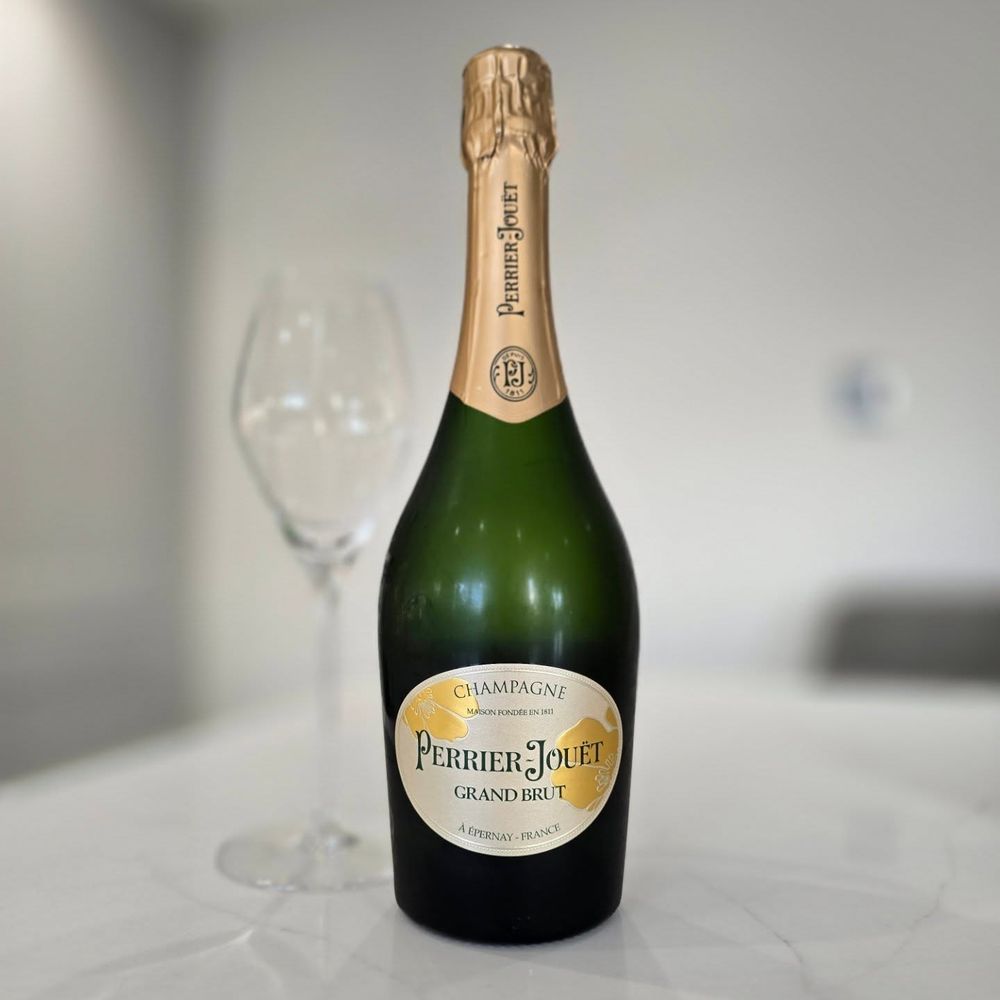
| Perrier-Jouët Grand Brut | 20% | 40% | 40% | Soft and fruity, easy to enjoy young |
| Busi Jacobsohn Cuvée Brut 2018 | 60% | 20% | 20% | Chardonnay-led finesse |
| Chalamet 1601 | 33% | 33% | 33% | An unusual equal split |
Reserve wines
Non-vintage blends often include "reserve wines" kept back from earlier harvests. They add depth and help a house keep its style the same from year to year. Domaine Evremond's first release, for example, used 80% wine from 2020 and 20% reserve wine from 2019, according to Retail Times.