Two things shape the style of a sparkling wine more than almost anything else: how long it rested on its yeast, and how much sugar went in at the end.
Time on lees
After the second fermentation, the wine sits with the dead yeast. Over months and years the yeast breaks down and releases compounds that bring brioche, biscuit, toast and a finer, creamier mousse.
Figures from the Comité Champagne pages on maturation on lees and its FAQ.
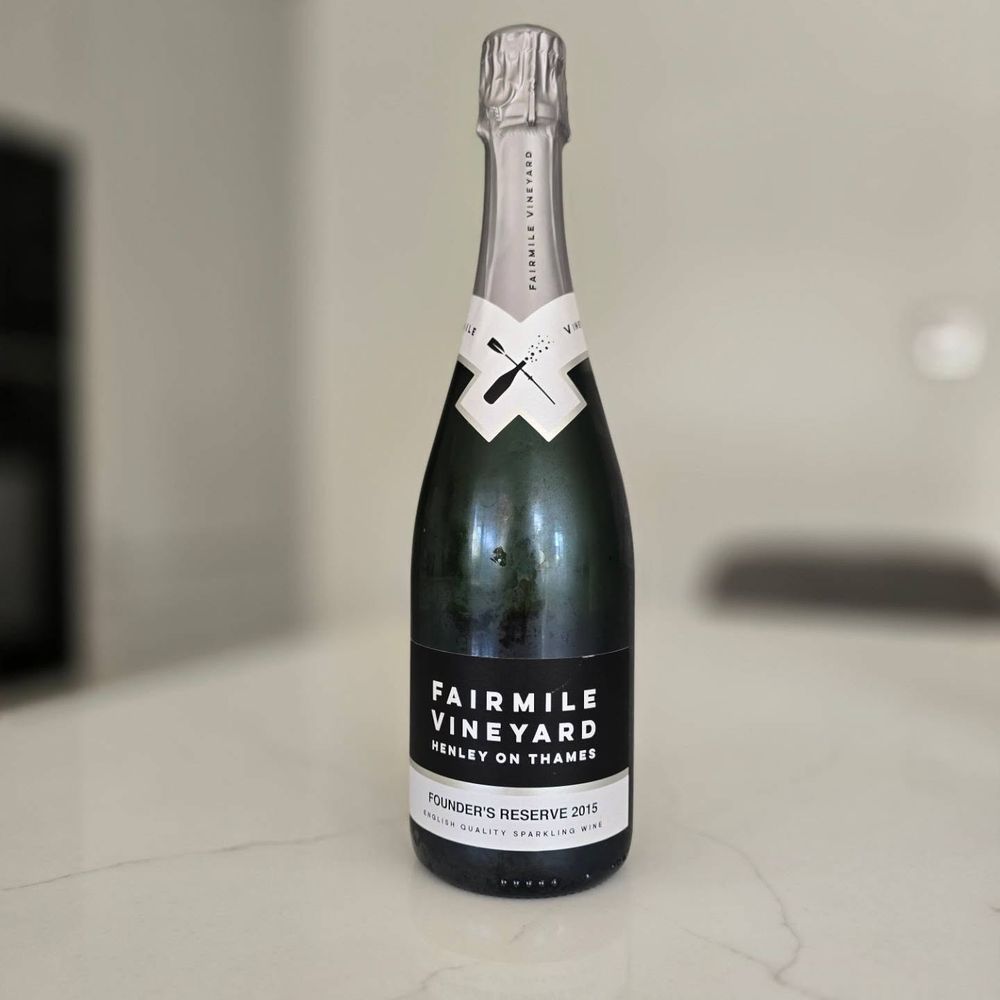
English producers often give long lees ageing too, and many print it on the back label or tech sheet. Nick's Fairmile Founder's Reserve 2015 had around seven years, and you can taste it: toasted brioche and a long, saline finish.
| Shorter on lees | Fresh fruit, citrus, apple and pear. Livelier, bigger bubbles. |
|---|---|
| Longer on lees | Brioche, toast, biscuit, nuts. A finer, creamier mousse and more texture. |
Dosage: how sweet is it?
Dosage is the little top-up of wine and sugar added just before corking. It balances the high acidity. Less dosage means a drier, sharper wine. More dosage means rounder and softer.
| On the label | Sugar per litre | What it means in the glass |
|---|---|---|
| Brut Nature / Pas Dosé / Dosage Zéro | Under 3 g, no added sugar | Bone dry. Very pure, very crisp. Best with salty or oily food. |
| Extra Brut | 0 to 6 g | Very dry. Fruit and acidity take centre stage. |
| Brut | Under 12 g | Dry. The most common style, and the safe bet. |
| Extra Dry | 12 to 17 g | Confusingly, a touch sweeter than Brut. Softer and rounder. |
| Sec | 17 to 32 g | Noticeably sweet. |
| Demi-Sec | 32 to 50 g | Sweet. Lovely with fruit desserts. |
| Doux | Over 50 g | Very sweet, and rare. |
Sugar bands from the Comité Champagne. English producers use the same terms.
Vintage or non-vintage?
A year on the label means a vintage wine, made only from that year's harvest. The Comité Champagne says most Champagne isn't vintage. Non-vintage wines blend several years to keep the house style consistent. Vintage wines show the character of one year and usually spend longer in the cellar.
Should I keep it?
- Most non-vintage Brut is ready to drink when you buy it. Keeping it a year or two in good conditions is fine, and it may get a little toastier.
- Vintage and prestige wines can improve for years. Fruit softens into honey, dried fruit, nuts and mushroom. The bubbles become finer and gentler.
- Disgorgement date. Some labels print it. A longer time since disgorging means more bottle age.
- Bigger bottles age more slowly. See Bottle sizes.