All Your Bubbles is for people who love good bubbles without wanting to remortgage for them. Here's what you're paying for, so you can spot the value.
Where the money goes
| Cost | Why it matters |
|---|---|
| Land and grapes | Grand Cru grapes or prime chalk slopes cost more. Low yields mean fewer bottles per acre. |
| Hand picking and gentle pressing | Labour-intensive and slow |
| Time | Wine resting on lees for three to seven years is stock the producer can't sell yet. Time is money. |
| Method | The traditional method takes far more work than the tank method |
| Bottle, cork and cage | Thick glass to hold the pressure, plus a proper cork and cage |
| Duty and VAT | In the UK, a large slice of a cheap bottle's price is tax |
| Brand and marketing | Famous houses spend heavily on sponsorship, advertising and packaging |
| Retail margin | Restaurants and shops need to make money too |
Where the value is
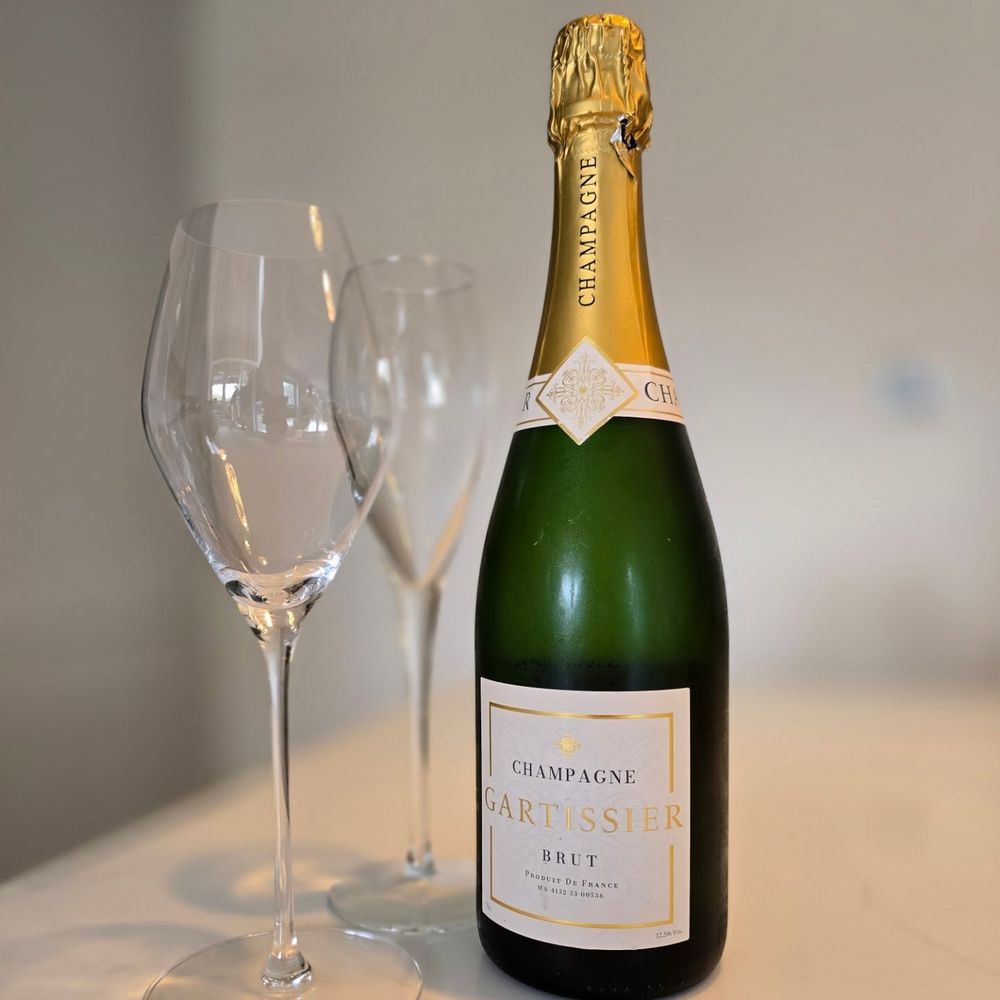
- Supermarket own labels. Look for "MA" on a Champagne label. Nick rated Veuve Monsigny at Aldi and Gartissier at £15.
- Offers on big names. Nick picked up G.H. Mumm at £29, usually around £40.
- English sparkling in supermarkets. Silverhand, Bramble Hill and Hambledon Chalk Hills are all on the high street.
- Other traditional-method sparkling. South Africa's Cap Classique, such as Graham Beck at around £15, Spanish Cava and French Crémant use the same method for less.
- The cellar door. Buying direct from a vineyard is often the only way to find small-batch wines, and more of your money goes to the grower.
Our price bands
Every review shows what Nick paid when he knows it. We group wines into five bands: Under £15, £15–25, £25–40, £40–60 and £60+. We don't score out of 100. A great £20 bottle deserves as much attention as a great £120 one.
Wine Folly put it neatly: "Price isn't a flavor." Watch their video on the Watch page.
Sources